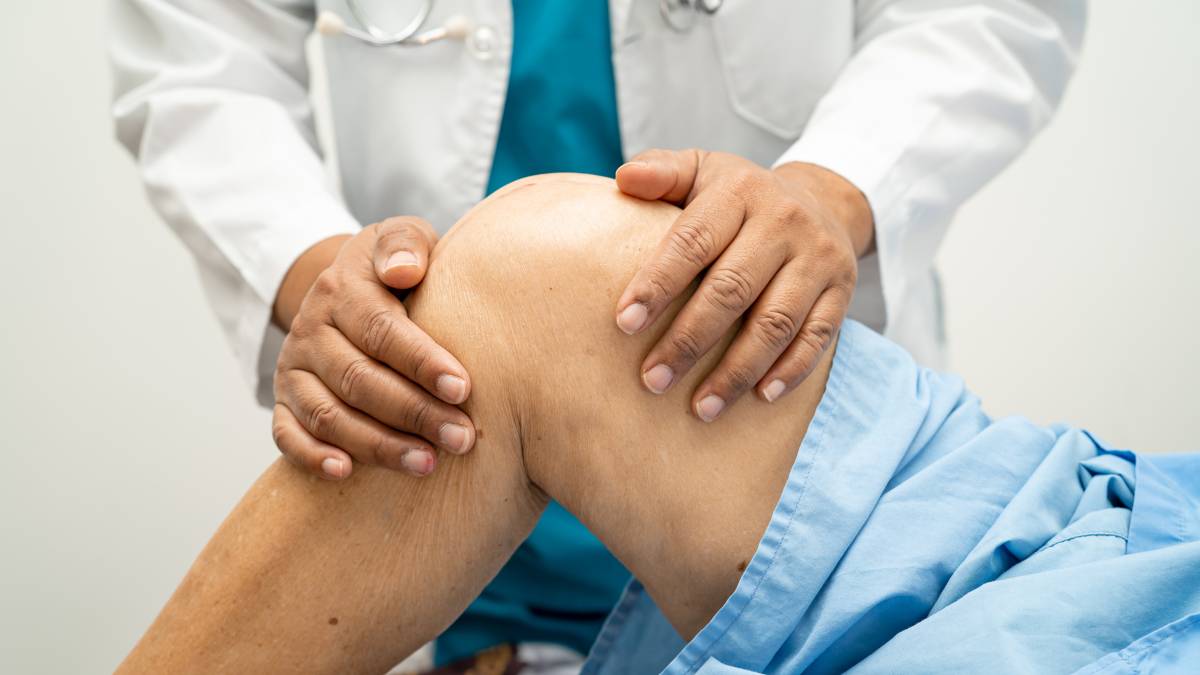
What is Osteoarthritis?
Osteoarthritis is the degeneration of joint cartilage that progresses silently over time, causing pain, stiffness, and eventually limited mobility and joint deformity. It is one of the most common joint diseases.
Who is prone to Osteoarthritis?
Older adults, women, individuals with obesity, those with previous joint injuries, or conditions like rheumatoid arthritis.
How do I know if I have osteoarthritis?
If you experience joint pain during or after movement, stiffness, grating sounds in the joints, swelling, or reduced joint range of motion, you should see a doctor for additional diagnostic imaging like X-rays, MRIs, or blood tests.
Which joints are commonly affected by osteoarthritis?
Knee joints, hip joints, lumbar spine, cervical spine, distal interphalangeal joints of the hands, and thumb carpometacarpal joints.
How can we prevent osteoarthritis?
Experts recommend maintaining a healthy lifestyle, exercising appropriately, keeping an ideal weight, and ensuring adequate intake of calcium and Vitamin D.

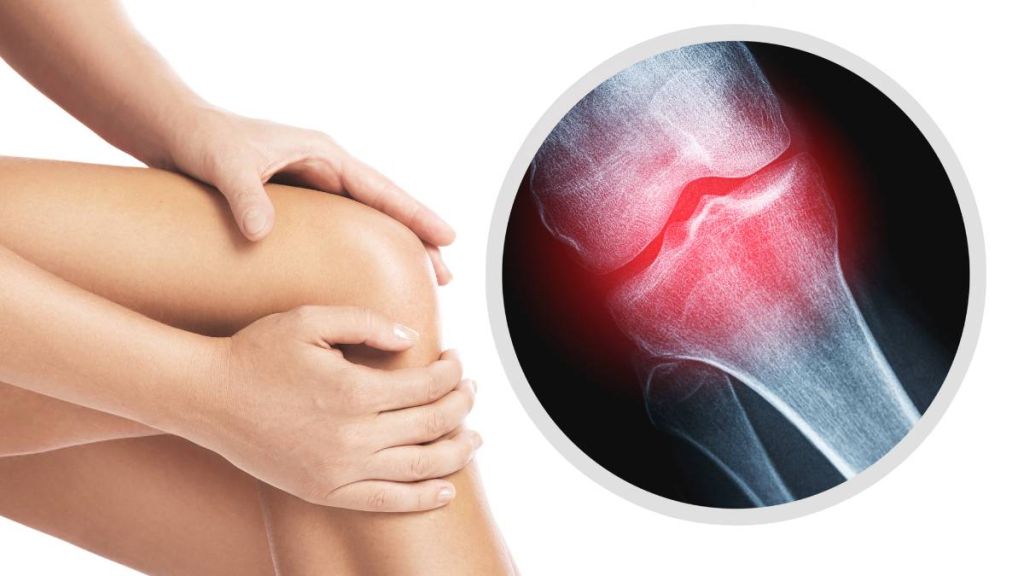
What does an X-ray of osteoarthritis show?
Cartilage is not visible on X-rays, but other signs such as joint space narrowing, subchondral sclerosis, or bone spurs can be detected.
How is osteoarthritis treated?
Non-drug methods include weight loss, physical therapy, hot or cold compresses, and using assistive devices for walking.
Drug treatments involve pain relievers like Paracetamol or nonsteroidal anti-inflammatory drugs (NSAIDs), slow-acting corticosteroid injections, or artificial joint fluid (hyaluronic acid).
Surgical options include joint replacement surgery.
What is the purpose of physical therapy for osteoarthritis?
Physical therapy exercises aim to strengthen the tendons, ligaments, and muscles around the joint and prevent loss of motion range. Simple exercises such as walking, swimming, or joint mobilization are beneficial for osteoarthritis patients.
Why do I need to lose weight if I am overweight?
For obese patients, excess weight adds strain to the joints. Weight loss significantly improves symptoms.
Which medications are commonly used to treat osteoarthritis?
Pain relievers like Paracetamol are often used for mild to moderate joint pain. Be cautious, as excessive use may cause liver cell necrosis.
Nonsteroidal anti-inflammatory drugs (NSAIDs) reduce inflammation and pain in arthritis but should not be used if there’s a history of gastrointestinal bleeding or with caution in older adults.
Slow-acting corticosteroid injections and hyaluronic acid have shown many benefits for knee osteoarthritis.
Are joint supplements good for joints?
There is minimal evidence supporting the effectiveness of joint supplements like Glucosamine and Chondroitin sulfate. Most studies indicate they do not have therapeutic effects.
Commonly used drugs for joint injections?
Slow-acting corticosteroids or artificial joint fluid (Hyaluronic acid). Research has confirmed the importance and benefits of these methods, which are widely used by doctors worldwide for patients with severe joint pain affecting daily activities.
How long do joint injection effects last?
Depending on the medication injected, effects can last for several months, helping patients relieve pain and confidently follow physical therapy recommendations. Repeat injections may be needed if necessary.
How soon after injection can a patient walk?
Patients can walk immediately after the injection.
What are the severe complications of joint injections?
Infectious arthritis due to non-sterile injection techniques is a serious complication but relatively rare. Early detection and treatment with antibiotics are crucial to saving the infected joint.
How can infection complications from joint injections be avoided?
Well-trained and experienced doctors minimize this risk.
When is artificial joint replacement surgery necessary?
If pain cannot be controlled with medications or if joint deformity and stiffness severely affect the patient’s mobility, orthopedic surgeons will discuss the possibility of artificial joint replacement (hip or knee).
How long after surgery can I walk normally?
After surgery, patients undergo rehabilitation with physical therapists to regain joint mobility and function.
What complications might occur with joint replacement surgery?
In addition to anesthesia-related risks, complications include infectious arthritis, joint dislocation, or bone fractures.
Can I live well with osteoarthritis?
Osteoarthritis is a chronic and gradually progressive disease. While current knowledge cannot restore damaged cartilage, it can manage pain and help patients regain joint mobility, enabling them to live a healthy life.
If you have further questions about osteoarthritis, don’t hesitate to contact us for consultation.