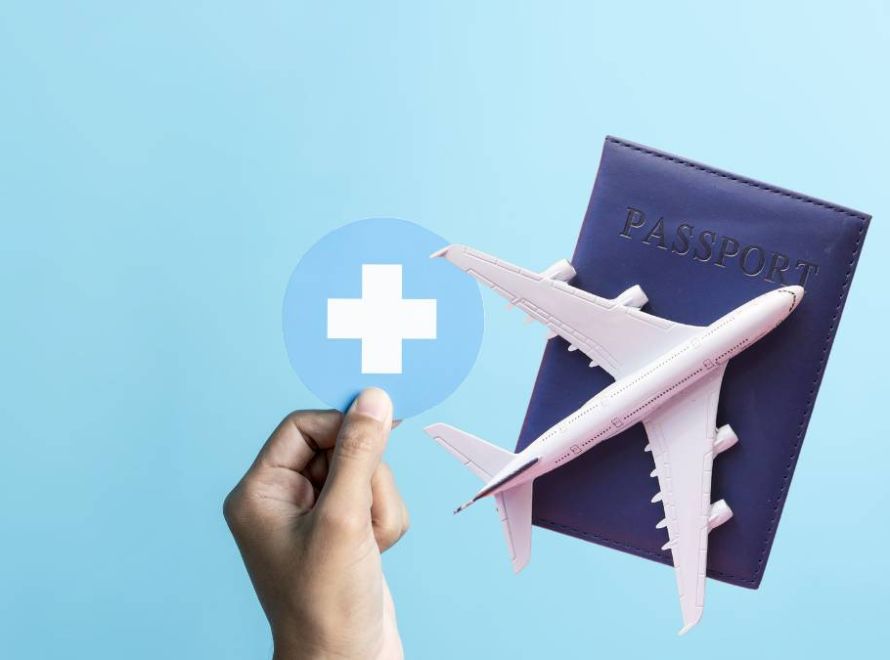
If you are planning to travel abroad, should you consult a doctor?
You should consult a doctor to get advice on potential health risks and effective prevention measures to ensure you stay healthy and safe during your trip. It is recommended to meet with a doctor 4–6 weeks before your trip for advice on preventing common travel-related illnesses.
I. Vaccinations and Medications to Prevent Common Travel-Related Diseases
1. Hepatitis A
Hepatitis A is a preventable disease through vaccination. It spreads via contaminated food or water and is prevalent in developing countries. All travelers to developing countries should get vaccinated. If your trip is within two weeks, a combination of vaccine and immunoglobulin may be recommended. A booster after six months provides protection for 10 years.
2. Hepatitis B
Hepatitis B vaccination is recommended for travelers working closely with locals, having sexual contact with locals, undergoing medical or dental procedures, or planning to stay for more than six months.
3. Malaria
Malaria is transmitted through mosquito bites. Prevent mosquito exposure and take prophylactic medications like Mefloquine, Doxycycline, Malarone, or Chloroquine. Consult your doctor about the appropriate medication and its side effects.
4. Rabies
Travelers to developing countries with high rabies prevalence, such as India, Asia, and Mexico, should get rabies vaccinations.
5. Typhoid
All travelers to developing countries should get vaccinated against typhoid fever.
6. Polio
Adult travelers without prior polio vaccination should receive three doses of inactivated polio vaccine before travel. Those vaccinated previously need a single booster dose.
7. Meningococcal Meningitis
Travelers heading to regions with meningitis outbreaks, such as Nepal, India, and Sub-Saharan Africa, should get vaccinated.
8. Traveler’s Diarrhea
Traveler’s diarrhea is common. Avoid raw or unwashed foods and untreated water. For mild diarrhea, use oral rehydration salts like Oresol. Severe dehydration requires hospital treatment with intravenous fluids and antibiotics.

II. Prepare for International Health Insurance
Ask your travel agency about health insurance coverage, reimbursement policies, and the availability of emergency and transport services for accidents or illnesses. Be aware that medical costs abroad can be very high.
III. Reputable Hospitals and Clinics
Research reputable hospitals or clinics at your destination. Having their contact information will provide peace of mind during your trip. Understand the payment process: whether you pay upfront and get reimbursed later or if direct payment is available. Language barriers might complicate communication during medical visits.
IV. Medications to Bring
For individuals with chronic conditions like hypertension or diabetes, bring enough medication for the entire trip, as specific medications may not be available without a prescription abroad. Also, carry common over-the-counter medications, such as pain relievers and fever reducers, as they can be very helpful.

V. Vaccination Records
Some countries require proof of specific vaccinations. Carrying your vaccination records is essential for meeting these requirements.